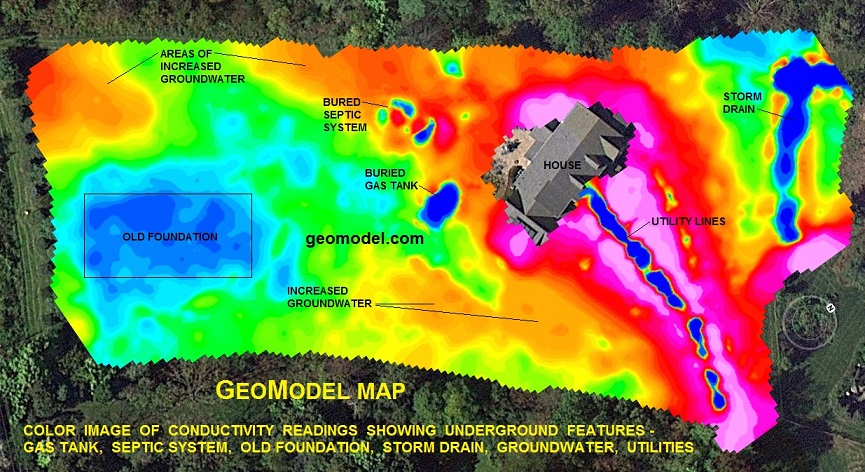
Ground penetrating radar has revolutionized the way we comprehend and engage with the ground beneath our feet. With its capability to provide in-depth insights into subsurface structures, ground penetrating surveys are becoming crucial tools across multiple industries, from construction to archaeology. As projects increasingly demand precision and security, the role of ground penetrating radar in preventing costly mistakes and revealing hidden aspects has become increasingly important.
For those unfamiliar with this technology, a ground penetrating study may seem complex, but it offers a comprehensive beginner's guide to comprehending what's beneath the ground. Whether you are a real estate developer looking to protect investments, a builder aiming to reduce excavation risks, or a municipality tasked with managing infrastructure, the gains of conducting a ground penetrating survey are clear. In this article, we will explore the numerous applications of ground penetrating radar and show why it has become a cornerstone in contemporary construction development.
Grasping Ground Penetrating Radar
Ground Penetrating Radar, also known as GPR, is a non-destructive geophysical method that utilizes radar signals to create an image of the underlying layers. This technology transmits high-frequency radio waves into the ground and records the signals returned back from various subsurface structures. The data collected provides a comprehensive picture of what lies beneath the surface, enabling operators to detect a wide range of substances and hazards without excavation.
The flexibility of GPR makes it an essential tool across several industries. In construction, it facilitates in locating underground utilities, voids, and structural features, allowing professionals coordinate projects more effectively. In archaeology, GPR facilitates for the investigation of archaeological sites without disturbing the ground, revealing hidden artifacts and structures. Environmental assessments also gain advantage from GPR, as it can identify contaminants and geological anomalies that may affect site safety and compliance.
Comprehending how GPR functions is crucial for utilizing this technology successfully. The radar waves travel through various materials at varying speeds, which helps create an image based on the returned signals. These reflections can show the presence of pipes, rocks, or even water, offering invaluable information for decision-making. As this technology continues to develop, it promises to enhance subsurface investigation and provide even greater accuracy and detail in multiple applications.
Benefits of Ground Penetrating Surveys
GPR offer a number of gains across various industries, primarily by providing precise information about beneath surface conditions. These surveys help reveal the presence of underground utilities, geological formations, and environmental hazards before excavation begins. By revealing what lies beneath the surface, they significantly reduce the risk of unforeseen utility strikes, which can lead to costly damages and dangerous situations. This cautionary measure ultimately saves resources and money during construction efforts.
Another remarkable benefit is the enhancement of safety for site workers and the community. By utilizing ground penetrating radar, project managers can make educated decisions about where to dig, minimizing the likelihood of encountering surprising underground obstacles. This preventive approach not only shields workers but also improves general project efficiency. Ground penetrating surveys encourage more secure digging practices, thereby contributing to a environment of safety on job sites.
Moreover, ground penetrating surveys play a key role in green assessments and cultural explorations. They provide important insights into site conditions, allowing for more efficient planning and management of construction projects while adhering to sustainability regulations. In archaeology, these surveys can discover historical artifacts without intruding on the site, preserving heritage heritage. This flexibility demonstrates the importance of ground penetrating surveys in varied applications, ultimately fostering advancement and improvement in planning and development.
Implementations Across Industries
Ground penetrating radar is now an invaluable tool in different industries, facilitating a deeper understanding of underground conditions without disturbing the ground. In construction, GPR is often used to ensure safe digging by locating underground utilities, determining soil composition, and identifying potential hazards. This proactive strategy not only mitigate the chances of costly damage but also boosts overall site safety, providing peace of mind to builders and project managers alike.
Meanwhile, in the environmental sector, GPR plays a crucial role in site evaluations and investigations. It can identify contaminants, buried waste, and various anomalies that could pose significant environmental risks. By providing accurate subsurface mapping, GPR supports in the remediation process and helps organizations follow with environmental regulations, ultimately contributing to more green practices. View website is also vital for municipalities, which increasingly rely on GPR for infrastructure maintenance and upgrades, ensuring safe and efficient operation of public services.
Furthermore, GPR finds applications in archaeology, where it helps uncover hidden artifacts without invasive digging. Archaeologists use this technology to explore sites while preserving their integrity, enabling for more comprehensive studies of historical contexts. This non-destructive method not only does it aid in uncovering the past but also sparks public interest and education about cultural heritage, showcasing the different benefits of ground penetrating radar in various fields.