

Regarding purchasing a property, grasping the home's condition can greatly impact your decisions. A Level 2 survey delivers prospective buyers a deeper assessment than a standard mortgage valuation, delving deeper the structural soundness and overall state of the property. This type of survey is especially beneficial for those considering older homes or buildings displaying signs of wear and tear, allowing buyers to make educated choices and avoid significant surprises down the line.
In this article, we will explore the ins and outs of Level 2 surveys, including what they entail, when they are necessary, and the unique insights they can provide. Whether you are a first-time homebuyer or an seasoned property investor, understanding what to expect from a Level 2 survey can be crucial when it comes to bargaining and comprehending maintenance needs. By revealing the specifics of a Level 2 survey, you can protect your investment and ensure your new home satisfies your expectations.
What does a Level 2 Survey?
A Level 2 Survey, also referred to as a HomeBuyer Report, is a more detailed inspection compared to the basic mortgage valuation yet less exhaustive than a Level 3 Survey. It is designed primarily for residential properties and provides essential insights into the state of the home. This type of survey focuses on significant structural and maintenance issues that could affect the property's value and livability.
The survey typically consists of an assessment of the exterior and interior of the property, noticing any immediate repairs required and pointing out potential risks. It also offers advice on maintenance issues and informs buyers about the property's overall condition, making it a valuable tool for homebuyers who want to make informed decisions.
Moreover, a Level 2 Survey often includes a market valuation and a list of recommended repairs or improvements. This information can be crucial for negotiating property prices and planning future maintenance, making sure that buyers are aware of any potential costs before completing their purchase.
Benefits of a Level 2 Survey
A Level 2 survey provides a thorough assessment of a property's condition, making it an essential tool for homebuyers. It includes a detailed inspection of visible and accessible parts of the property, highlighting major issues that could impact the value or safety of your investment. By identifying potential problems early, a Level 2 survey enables buyers to make informed decisions and avoid costly surprises after the purchase.
Another important benefit of a Second Level survey is the transparency it brings to the homebuying process. The detailed report outlines not just the current state of the property but also includes recommendations for maintenance and repairs. level 2 survey can be especially beneficial for first-time homebuyers who may not have extensive knowledge about property conditions. Understanding what needs fixing helps buyers prioritize their budget and plan for the future.
Lastly, a Level 2 survey can greatly enhance your negotiating position. If the survey reveals issues that require repair, such as foundation concerns or moisture, you can use this information to negotiate a lower price or ask that the seller address the problems before finalizing the sale. This advantage can save you money and ensure that you are making a sound investment in your new home.
Selecting a Level 2 Assessor
When choosing a Level 2 surveyor, it is essential to seek out credentials and expertise. Verify that the surveyor is a member of a well-known professional body, such as the Chartered Surveyors Institution. A certified surveyor brings credibility and a level of expertise that can substantially impact the standard of the survey. Checking testimonials from previous clients can also offer perspective into the surveyor's dependability and thoroughness.
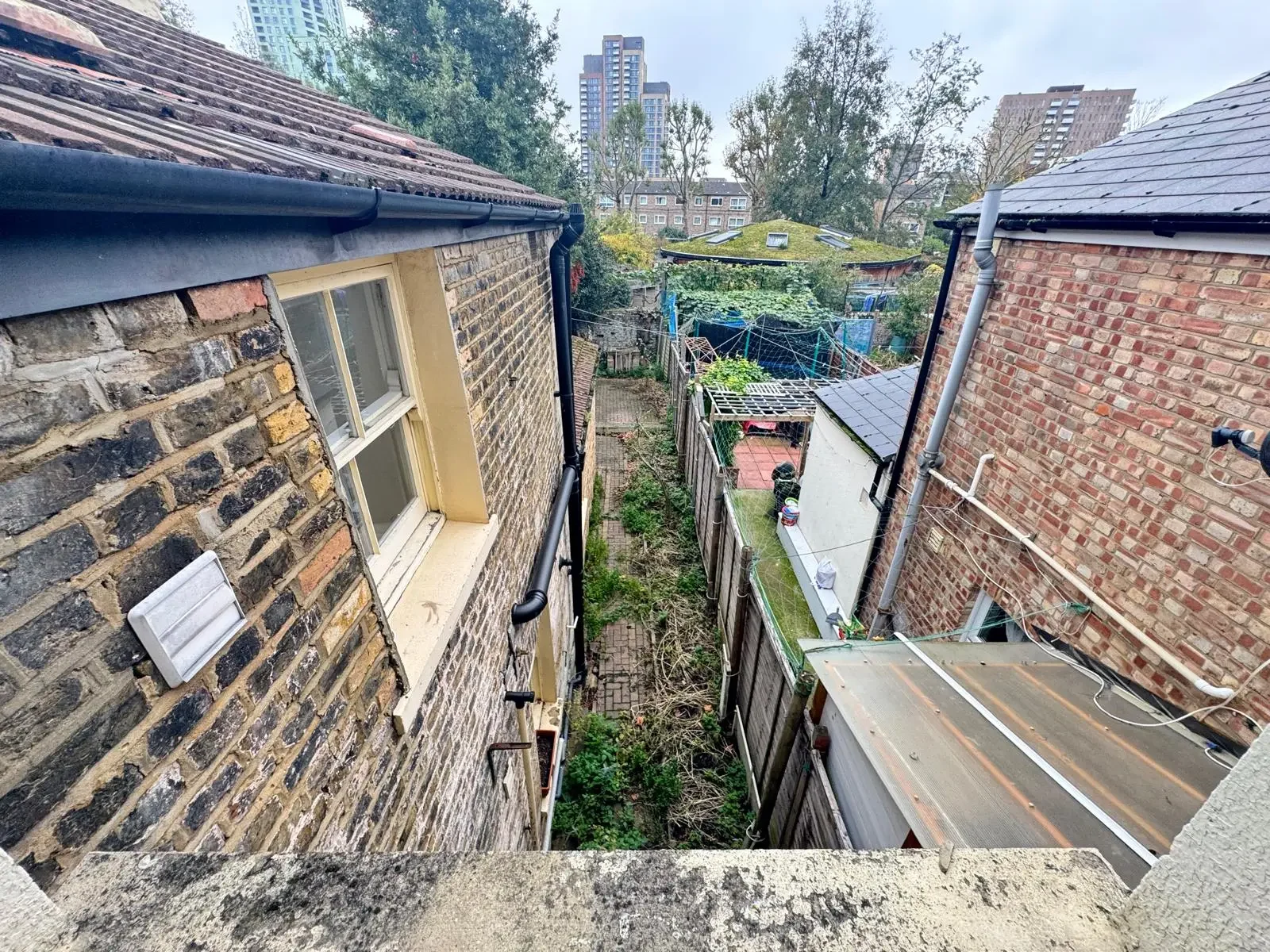
Another key consideration is to evaluate the surveyor's familiarity with the type of property you are purchasing. Various property categories, such as older homes or leasehold flats, may present unique issues that require specific knowledge. A surveyor who comprehends the particulars of your property's age, construction methods, and regional market can provide more accurate assessments and recommendations.
In conclusion, communication is key in your connection with a surveyor. Choose an expert who is open to respond to your inquiries and clarify the survey process in a manner you can understand. A good surveyor will not only deliver a report but also help you interpret it and resolve any concerns you may have. This teamwork is important to ensure that you fully understand the property's condition and any potential issues.