

Ground Penetrating Surveys, or Ground Penetrating Surveys, are becoming more essential in a world where development and excavation projects are often impeded by underground challenges beneath the ground. This technology offers a non-invasive method for investigating the subsurface conditions, providing crucial insights before excavation begins. Whether you are a land developer, an historian, or a civil engineer, comprehending the principles of GPR can change the way you approach site evaluations and project planning.
In this article, we will examine the power of Ground Penetrating Surveys and why they are crucial for modern development and infrastructural development. We will discuss the various applications of GPR, compare it with old-fashioned utility locating methods, and discuss how it can help curtail significant project holdups. From understanding the theory behind the technology to examining its positives for job site safety and environmental evaluations, we will reveal everything you need to know about GPR and how they are transforming our strategies to subsurface exploration.
Understanding GPR
GPR, also known as GPR, is non-destructive techniques used to explore subsurface conditions. It employs radar signals to map the subsurface and can identify multiple materials and structures hidden beneath the surface. This technology is useful for locating things like service lines, voids, and even archaeological sites, making it an important tool in various fields, including building, environmental studies, and historical research.
The process of a GPR operation includes scanning the ground with a radar device that sends high-frequency radio waves into the soil. When these waves encounter various materials, they are reflected back to the top, where they are recorded and evaluated. The information gathered enables experts to create detailed images and diagrams of what is located beneath the surface, helping them to make informed decisions prior to any digging begins.
Understanding the capabilities and limitations of GPR is essential for optimal application. It is imperative to note that while this technology can offer a wealth of information, elements such as the type of soil, water saturation, and the elevation of the target objects can influence the quality and accuracy of the data obtained. As such, it is essential to consult trained experts who can interpret the results correctly and ensure that the appropriate techniques are utilized for specific project needs.
Benefits of GPR
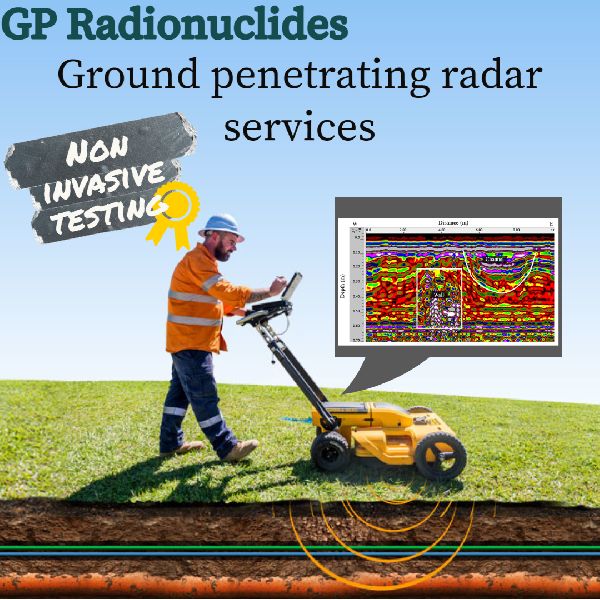
Ground penetrating surveys offer a range of advantages that significantly contribute to effective project planning and execution. One of the primary benefits is the ability to create comprehensive images of subsurface conditions without disrupting the ground above. Additional resources -invasive method allows for the identification of existing utilities, geological features, and other underground structures. Consequently, it helps engineers and developers make informed decisions, reducing the risk of unexpected discoveries during excavation that can lead to costly delays.
Another crucial benefit is enhancing safety on construction sites. By accurately locating underground services and potential hazards, ground penetrating surveys play a critical role in preventing accidents such as utility strikes. These surveys provide crucial data that can inform safe digging practices, ensuring that workers and the surrounding environment are protected. As a result, they not only help avoid costly damage but also promote a safer workplace culture, which is necessary for all construction projects.
Moreover, the use of GPR can lead to significant cost savings. By identifying potential issues before excavation begins, project teams can adjust plans accordingly, minimizing the risk of unforeseen expenses. This proactive approach can streamline project timelines and resources, allowing developers to stick to budgets and schedules more effectively. Overall, the implementation of ground penetrating surveys into construction and infrastructure projects is an invaluable investment that pays off through enhanced efficiency and risk management.
Applications of Ground Penetrating Surveys
Ground Penetrating Surveys are utilized across diverse industries to provide critical insights about subsurface conditions. In building, they are essential for identifying utilities, assessing soil stability, and detecting potential hazards before excavation begins. By detecting underground features such as pipes, cables, and voids, GPR helps avoid costly setbacks, injuries, and damages during construction operations. This proactive approach not only improves the effectiveness of planning but also significantly improves overall project safety.
In environmental assessments, GPR play a critical role in revealing contamination and other subsurface anomalies. They help in mapping geological features and groundwater paths, allowing for effective site investigations prior to construction. These surveys are particularly relevant in assessing sites for industrial and agricultural use, providing a clear understanding of underground conditions that could affect environmental safety and compliance.
Furthermore, GPR are being more and more adopted in archaeological studies and historical preservation. They allow archaeologists to uncover hidden artifacts and structures without destructive digging, helping to maintain the integrity of historical sites. By employing GPR technology, researchers can visualize subsurface remains, giving them the opportunity to study history in a non-invasive manner, ensuring that valuable cultural heritage is preserved for future generations.